Built from experience. Designed for impact.
CIS™ was born from more than 14 years in emergency and critical care — from watching clinicians recognize change before the full clinical picture had declared itself. Again and again, Desireé saw something important happen between what a clinician noticed and what the system could yet see.
She began asking a different question: what are experienced clinicians actually doing once that intuitive signal appears? What if what happens next could be made visible enough to deliberately practice, communicate, reflect on, and strengthen?
That question became the Clinical Intuition System™.
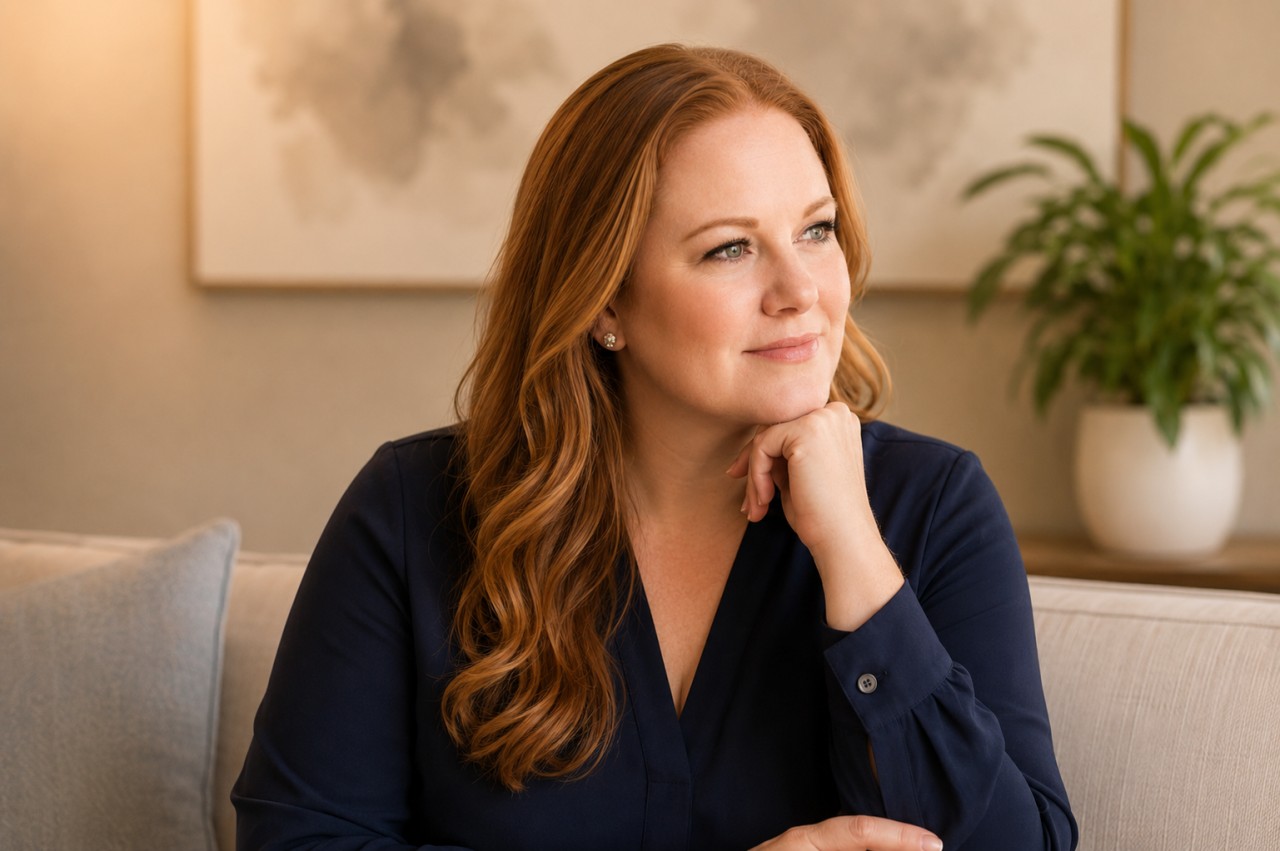
Clinical intuition was never the absence of reasoning. We simply hadn’t made the reasoning visible.
Emergency + critical care
Former emergency nurse officer
Earlier recognition. Clearer action.
Purpose. Service. Stewardship.
And what changes when it’s recognized, respected, and acted on.
She entered nursing drawn to the responsibility of noticing what others might miss — and speaking when something didn’t fit.
Across emergency and critical care, she learned that meaningful clinical change often begins as a deviation from baseline before it becomes an obvious event.
What are experienced clinicians actually doing when they recognize that something is changing — and can what happens after the signal appears be made visible enough to deliberately practice?
CIS™ emerged as a structured pathway for recognition, communication, action, and reflection — making clinical cognition more observable and structurally supportable.
A clinical workforce where expert noticing doesn’t have to take a decade to become visible.
Desireé Paige is a registered nurse, former U.S. Air Force emergency nurse officer, and founder of the Clinical Intuition System™. Across more than 14 years in emergency, critical care, and high-acuity clinical environments, her work has centered on early recognition, patient safety, clinician communication, and the cognitive processes that follow an intuitive clinical signal.
What are experienced clinicians actually noticing before everyone else can see it?
Across those environments, she watched a recurring phenomenon: clinicians would recognize that something had changed before the full clinical picture was obvious.
She became less interested in simply calling that intuition and more interested in what happened once that signal appeared.
What did the clinician notice? What made it different from baseline? What did they look for next? How did they synthesize what they found? How did that process inform judgment, communication, and action?
The question became whether what happens after the signal appears could be made visible enough to deliberately practice.
CIS™ grew from the pursuit of that question.
My faith shapes how I understand service, stewardship, and the responsibility we carry for one another. It does not replace the clinical rigor this work requires; it shapes the conviction with which I pursue it. CIS™ is clinical in its application, committed to evidence in its development, and deeply personal in its origin.
Subtle change deserves structured attention.
What we notice initiates inquiry; judgment comes through what we do next.
Recognition must become communicable before others can act on it.
Every outcome gives us information about what we noticed, how we interpreted it, and what we should carry forward.
CIS™ is being built to make clinical cognition visible, teachable, and structurally supportable — so what experience teaches over years can be recognized, practiced, and strengthened deliberately.
CIS™ is entering its next chapter.
Through research, clinical partnerships, education, and conversation. If you see a place for this work in your organization, I’d like to hear from you.
Start a conversation →